
 Shahzad
Weight loss isn’t just about cutting calories — it’s about balancing your macronutrients (carbohydrates, protein, and fat). While calories determine whether you lose or gain weight, your macro balance determines how you feel, how much fat you lose versus muscle, and whether your results are sustainable.
In this guide, we’ll break down exactly how to balance carbs, protein, and fat to achieve long-term, healthy weight loss.
Table of Contents
What Are Macronutrients?
Macronutrients, or “macros,” are the nutrients your body needs in large amounts to function properly:
- Carbohydrates (Carbs) → The body’s primary energy source.
- Protein → Builds and repairs muscle, supports satiety, and protects lean mass during fat loss.
- Fats → Essential for hormones, brain health, and long-lasting energy.
Balancing these three is the foundation of a sustainable diet plan.
Role of Each Macronutrient in Weight Loss
1. Carbohydrates: Fuel for Energy
- Provide glucose, which powers your brain and muscles.
- Essential for workouts and recovery.
- Best sources: whole grains, fruits, vegetables, legumes.
- Overeating refined carbs (sugary snacks, white bread) may spike blood sugar and hinder fat loss.
2. Protein: The Fat-Loss Protector
- Keeps you full longer (satiety factor).
- Preserves lean muscle while losing fat.
- Supports metabolism (digesting protein burns more calories).
- Best sources: lean meats, fish, eggs, beans, lentils, tofu.
3. Fat: The Hormone Balancer
- Needed for hormone regulation (including fat-burning hormones).
- Provides slow-burning energy.
- Supports nutrient absorption (Vitamins A, D, E, K).
- Best sources: avocado, olive oil, nuts, seeds, fatty fish.
The Ideal Macro Ratio for Weight Loss
There’s no one-size-fits-all, but most experts recommend:
- Carbs: 40–50% of daily calories
- Protein: 25–35%
- Fat: 20–30%
👉 A common starting point is the 40/30/30 rule:
- 40% carbs
- 30% protein
- 30% fat
Active people (those who exercise regularly) may need slightly more carbs, while sedentary individuals may do better with lower carbs and higher protein.
How to Calculate Your Macros
- Find your daily calorie needs for weight loss.
- Example: 2,000 calories/day (with a 500-calorie deficit for fat loss).
- Apply macro percentages (40/30/30).
- Carbs: 40% of 2,000 = 800 calories ÷ 4 = 200g carbs
- Protein: 30% of 2,000 = 600 calories ÷ 4 = 150g protein
- Fat: 30% of 2,000 = 600 calories ÷ 9 = 67g fat
👉 Your personalized numbers may differ based on activity, age, and goals.
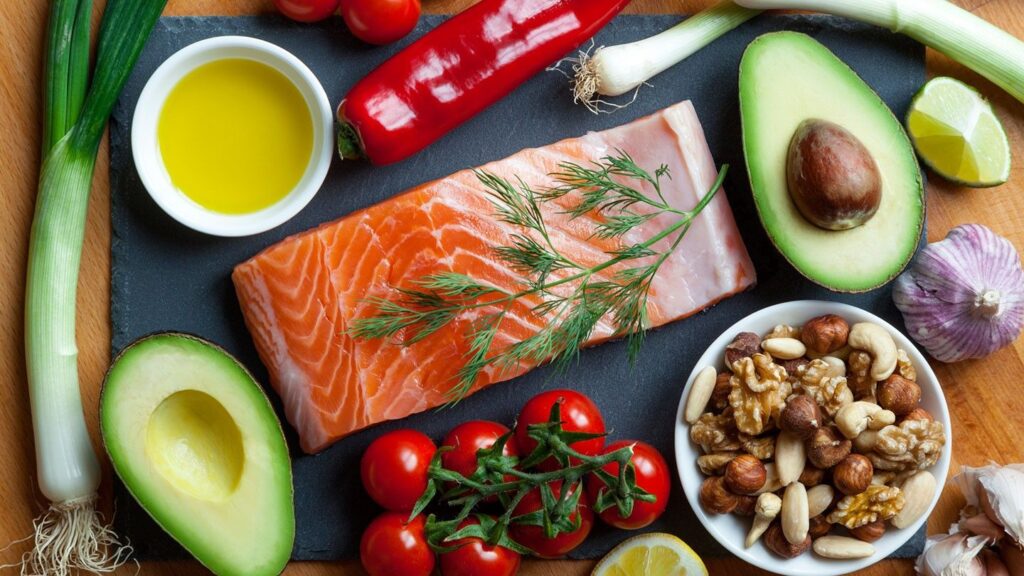
Sample 1-Day Balanced Meal Plan (40/30/30 Ratio)
Breakfast:
- 2 boiled eggs + 1 slice whole-grain toast
- ½ avocado
- 1 cup black coffee or green tea
Snack:
- Greek yogurt + a handful of almonds
Lunch:
- Grilled chicken breast
- Quinoa + roasted vegetables
- Olive oil drizzle
Snack:
- Apple slices + peanut butter
Dinner:
- Baked salmon
- Steamed broccoli & sweet potato
- Mixed green salad with olive oil
Totals:
Approx. 2,000 calories → 200g carbs, 150g protein, 67g fat
Common Mistakes When Balancing Macros
- Cutting carbs too low → leads to fatigue, brain fog, and cravings.
- Overloading protein → digestion issues without extra fat loss.
- Avoiding fats → causes hormonal imbalance and low energy.
- Focusing only on numbers → quality of food matters as much as ratios.
Tips for Long-Term Success
- Use a food tracking app (MyFitnessPal, Cronometer) for accuracy.
- Focus on nutrient-dense foods, not just hitting macro targets.
- Adjust macros as your body changes (plateaus = time to tweak).
- Stay consistent — sustainable weight loss is about habits, not extremes.
Final Verdict
Balancing carbs, protein, and fat is the key to sustainable weight loss.
Instead of extreme low-carb or low-fat diets, aim for a moderate approach that supports energy, muscle retention, and hormonal balance. Start with a 40/30/30 ratio, track your progress, and adjust based on results.
👉 Remember: A balanced plate today means a healthier body tomorrow.
FAQs About Carbs, Protein & Fat for Weight Loss
1. What’s the best carb-protein-fat ratio for fat loss?
Most people do well with 40% carbs, 30% protein, and 30% fat — but it depends on your lifestyle and body type.
2. Should I eat carbs at night if I want to lose weight?
Yes. Timing is less important than total daily balance. Slow-digesting carbs at dinner (like sweet potatoes or quinoa) can even help sleep.
3. Is high-protein safe long-term?
Yes, in healthy individuals. But balance with carbs and fats to avoid digestion issues and nutrient gaps.
4. Do low-carb diets work better than balanced diets?
Low-carb diets may work short-term, but balanced macro diets are more sustainable and easier to maintain long-term.

